
 English
 Español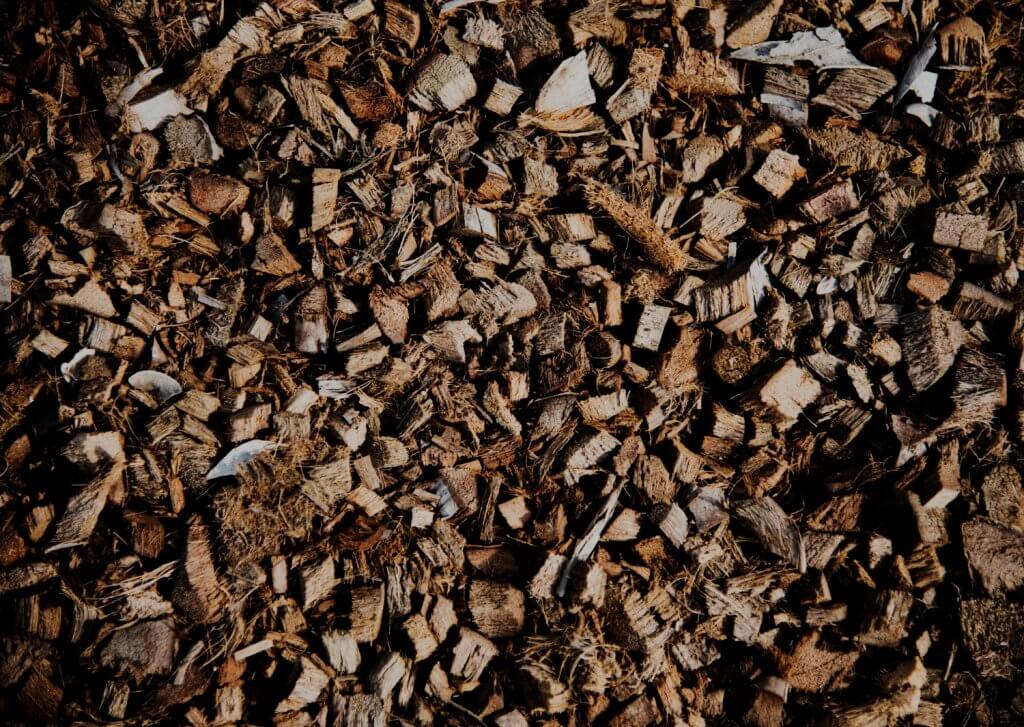
Europe is moving towards a more sustainable energy model, with renewable energy playing an increasingly important role in this transformation. The European Union has set a target for at least 42.5% of energy consumed by 2030 to come from renewable sources, with the ambition of reaching 45%. When we think about renewable energy, we often think of solar or wind power. However, other alternatives are also part of this transition. One of them is biomass, which can play an important role in certain industrial and energy sectors.
Biomass includes a wide range of materials of biological origin, such as agricultural residues, wood waste, industrial by-products and organic waste. One of its main advantages is that it makes it possible to put materials to use that might otherwise end up as waste. In this way, biomass connects two of Europe’s key priorities: increasing the use of renewable energy and making better use of the resources already available.
Europe’s commitment to this model goes beyond energy production. In November 2025, the European Commission presented a new Bioeconomy Strategy aimed at promoting the use of biological resources and creating greater value from materials such as agricultural residues, by-products and organic waste.
This creates new opportunities for industry, but it also brings new challenges. As the use of biomass increases, companies will need to gain a better understanding of the material they are using and ensure that it can be used as efficiently as possible.
The challenge of monitoring biomass in real time
One of the main challenges when working with biomass is its variability. Unlike some fuels with relatively consistent characteristics, biomass can vary depending on its origin, supplier and composition. Some biomass may contain more moisture than others, have different particle sizes or a different composition. It may also contain foreign materials or contaminants that should not be present in the material. Two batches of biomass may look very similar at first glance while having significantly different characteristics.
These variations can affect plant performance, fuel efficiency and process stability, particularly when biomass is used for energy generation. That is why, when a company uses biomass, it is not enough to know that it is a renewable resource. It is also important to understand its characteristics. Traditionally, this is controlled through laboratory analyses, which do not provide real-time information. Although laboratory testing remains important, individual samples do not always provide a complete picture of what is happening with the material at any given moment.
Imagine a plant receiving tonnes of biomass throughout the day. A sample taken in the morning provides information about the material at that specific point in time. Several hours later, however, its characteristics may have changed: moisture levels may be different, its composition may have shifted, or there may be a higher presence of unwanted materials.
Having continuous information makes it possible to identify these changes more quickly and can help companies make decisions before an issue affects the process. Moreover, the sustainability of biomass is not simply a matter of using a resource classified as renewable. The European Union is also strengthening sustainability criteria around its use, with the aim of ensuring that bioenergy is compatible with the protection of natural resources and Europe’s climate objectives.
“The challenge is not simply to use more biomass, but to use it better.”
European Comission Renewable Energy Directive: Renewable energy targets.
More Biomass, more need for information
As biomass becomes increasingly important across industry, understanding its characteristics will become even more critical. Reliable information makes it easier to understand what material is entering a plant, identify changes and respond more quickly.
This is where technology can provide valuable support. The goal is not to replace the controls and analyses that companies already carry out, but to complement them with continuous, minute-by-minute information about the material.
This is where AI-Biomass Analyzer comes in. Developed by Pixelabs, this solution is designed to help companies continuously monitor biomass. The system provides real-time information on different characteristics of the material, including moisture, estimated calorific value and the volume of biomass passing through the production line. It can also identify foreign, contaminating or potentially hazardous materials.
The concept is simple: by gaining a better understanding of the fuel entering a plant, companies do not have to rely solely on measurements taken at specific points in time. Instead, plant operators can access continuous information about the incoming material, helping them identify changes and make decisions more quickly.
AI-Biomass Analyzer is designed to integrate with the systems already used by industrial plants. The solution connects natively and provides key data and variables through 4–20 mA current loops or standard protocols such as Modbus. Including humidity, volume and PCI, allows the plant’s control system to receive the information just as it would from any other standard process sensor.
Europe is moving towards an energy model in which renewable sources will play an increasingly important role, and biomass is part of this transformation. It can contribute not only to energy production, but also to making better use of certain waste streams and available resources.
However, making the most of its potential requires a better understanding of the material itself. Biomass quality can vary and these variations can have a direct impact on industrial processes. Continuous information can therefore become an important tool for improving efficiency and making better-informed decisions. The energy transition is not simply about replacing one fuel with another. It also means learning how to make better use of the resources we already have. And when it comes to biomass, knowing what we are using is the first step towards using it better.
- Comisión Europea. Renewable Energy Directive: Renewable energy targets. Comisión Europea. https://energy.ec.europa.eu/topics/renewable-energy/renewable-energy-directive-targets-and-rules/renewable-energy-targets_en
- Comisión Europea. (2025). New plan to unlock the bioeconomy’s potential. 27 de noviembre de 2025. https://commission.europa.eu/news-and-media/news/new-plan-unlock-bioeconomys-potential-2025-11-27_es
- Comisión Europea. (2024). Biomass. Directorate-General for Energy. European Commission. https://energy.ec.europa.eu/topics/renewable-energy/bioenergy/biomass_en?prefLang=es